Daily News, 23 July 1953, page 5 – By road, 361 miles north-north-east from Perth is Lennonville. A tourist guide book 50 years ago would have described it as a population of 3000, seven hotels, two banks, two jewellers, an up-to-date town, a mining centre, all connected by rail.
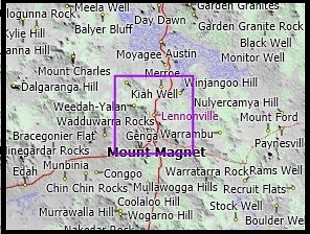
Map by Bonzle
It’s still Lennonville; the idle railway platform still bears the name-board, and three railway buildings made solidly of stone in the old-fashioned way, still stand. But nobody lives in Lennonville anymore. Once, the symbol of the town’s wealth was boldly and flashily displayed there in specimen stone — gold-bearing quartz — with which a publican studded the arched doorways of his hotel. The specimen stone was stolen long before the hotel ceased to exist, but the publican’s act showed the optimism of those years. Lennonville then had even its own brewery. Now there is a bare patch of ground where the scrub has not regrown. That’s where the hotel stood. Nearby is the rest of the town — an acre or so of rusted rubbish, the remains of a fence, and the inevitable peppercorn tree.
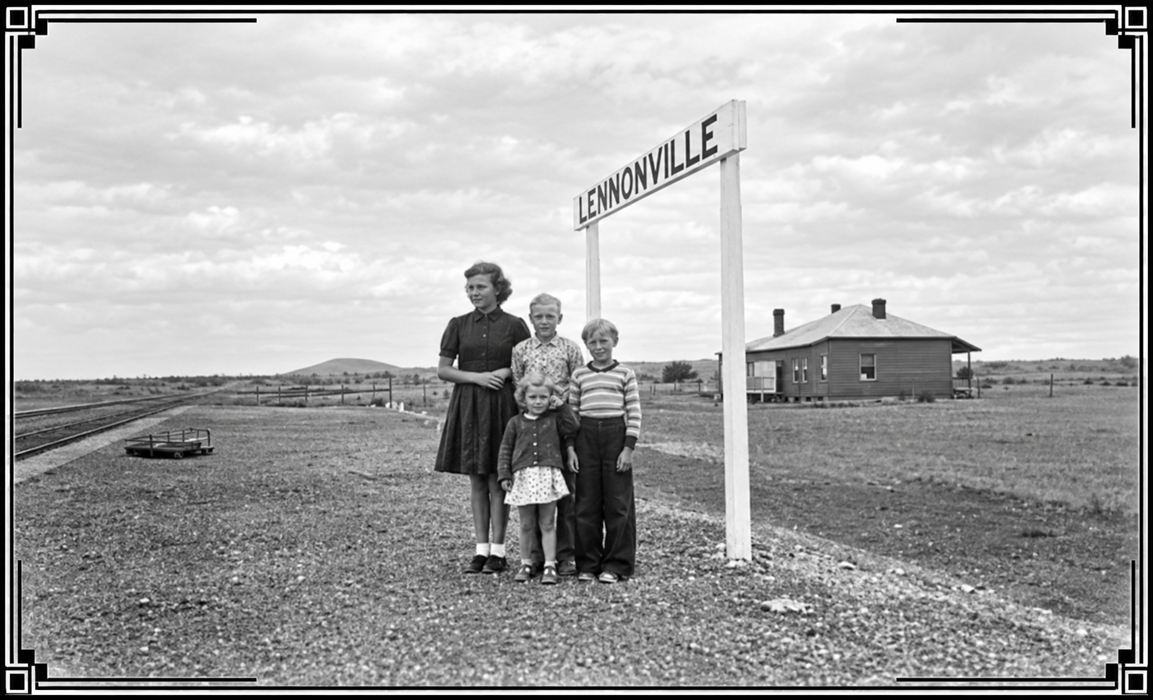
Four children stand on the abandoned rail platform at Lennonville, with the railway building in the background. 1950 – Photo SLWA
Lennonville is an abandoned town in Western Australia near Mount Magnet and was established in 1898. Lennonville was gazetted in 1896 after gold had been found two years earlier at the location by prospectors Lennon and Palmer. At the peak of its existence, at the turn of the 20th century, the town had a population of 3,000 and five hotels, outperforming nearby Mount Magnet and Boogardie. By 1909, however, the town was already in decline and, after a huge fire swept through the main street, a general exodus began. Today, the most predominant reminder of the town’s former glory is the railway platform seen above.
Western Mail 28 March 1908- A WELL KNOWN PROSPECTOR
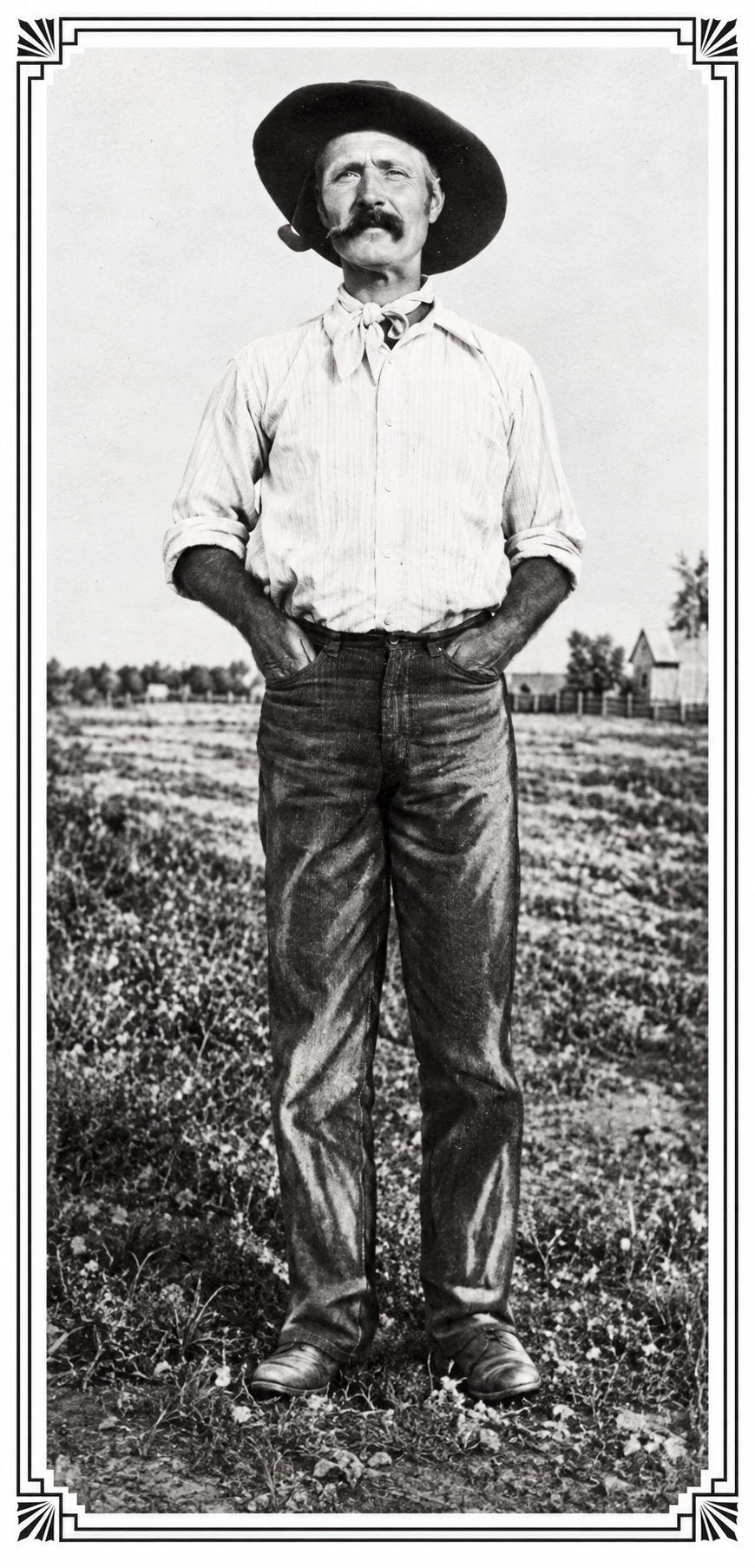
Jimmy Lennon – Image TROVE
Jimmy Lennon is perhaps one of the most interesting survivors of the “Roaring Nineties.” He was the first to find gold at Lennonville, Lake Way, and at various other localities of minor importance on the eastern and north-eastern fields, his latest discovery being the Mt Edgar copper-silver-lead-zinc mine, situated near Marble Bar.
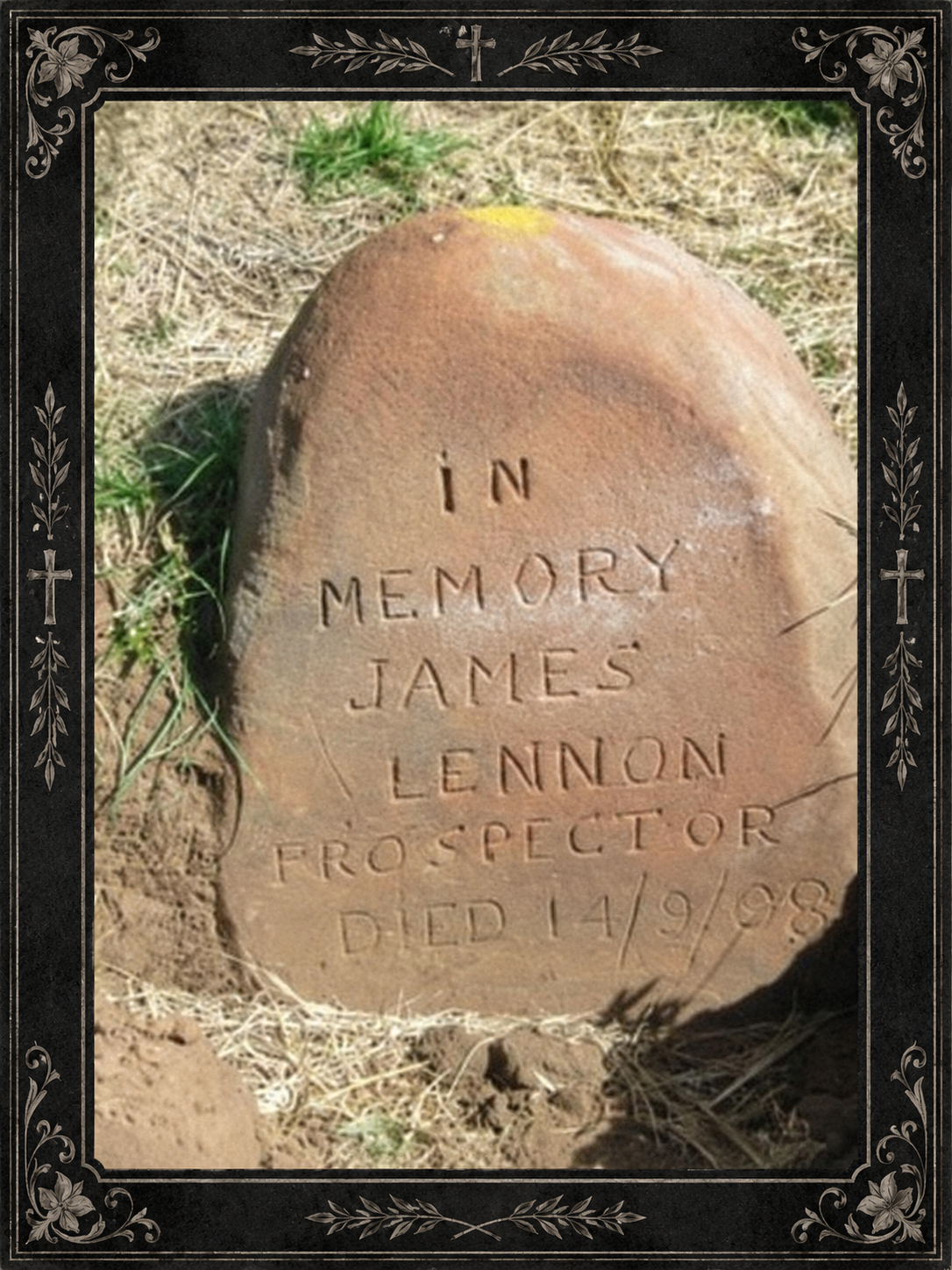
Jimmy Lennon died at Fitzroy Crossing on the 14th Sep 1908 and is buried in the Pioneer Cemetery. He was 45 years old.
As a prospector, Mr Lennon possesses qualities of a high order. He is a superb horseman and an unerring bushman, and his energy when in the field is tireless. A few months ago he was still battling for gold in the great Nor -West, where he has a host of admirers who are always ready to grubstake him. His old Murchison acquaintances will all join in wishing Lennon the success that he deserves.
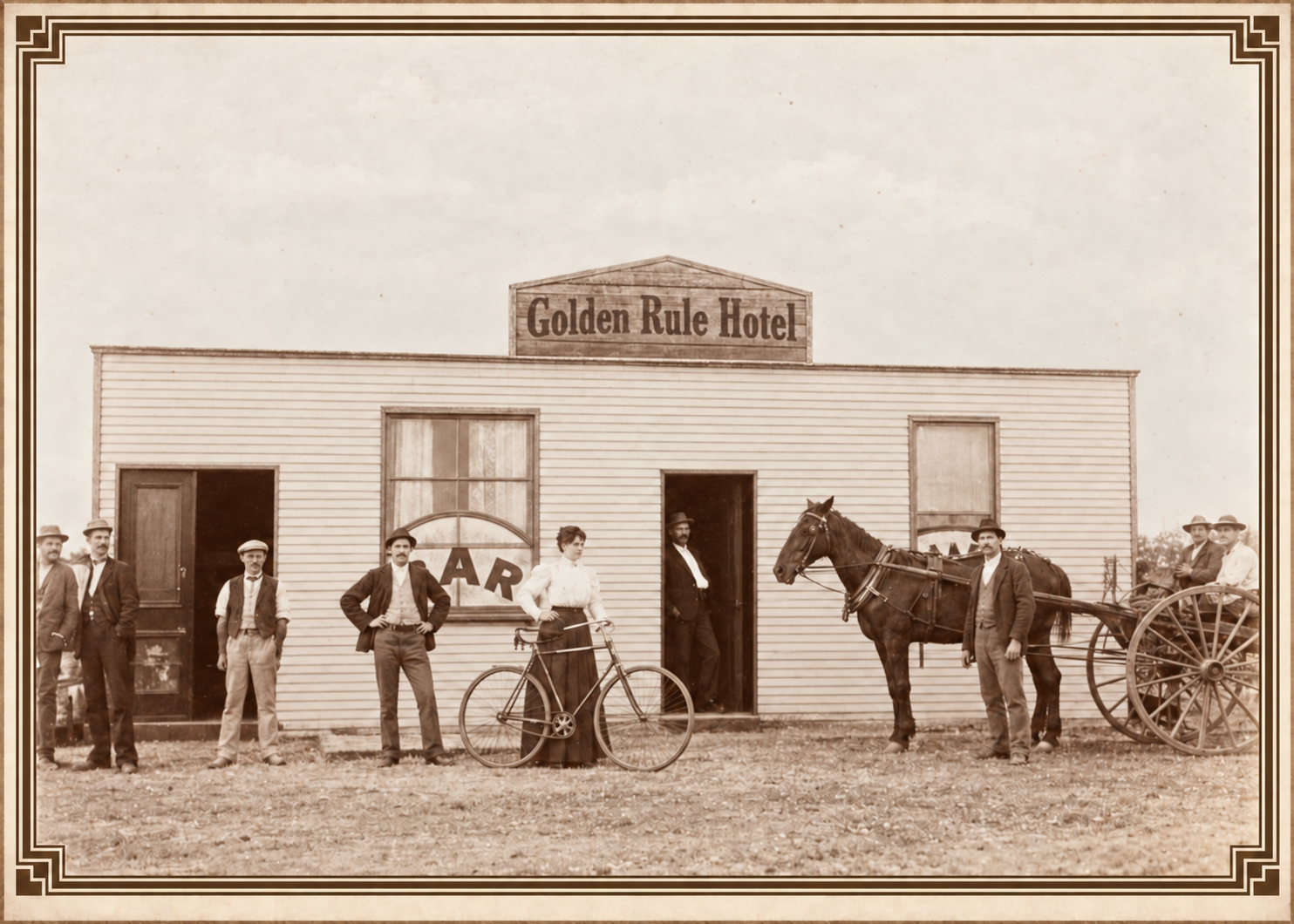
Golden Rule Hotel Lennonville – Jacob & Isabella Alford from Wendy Cochrane.
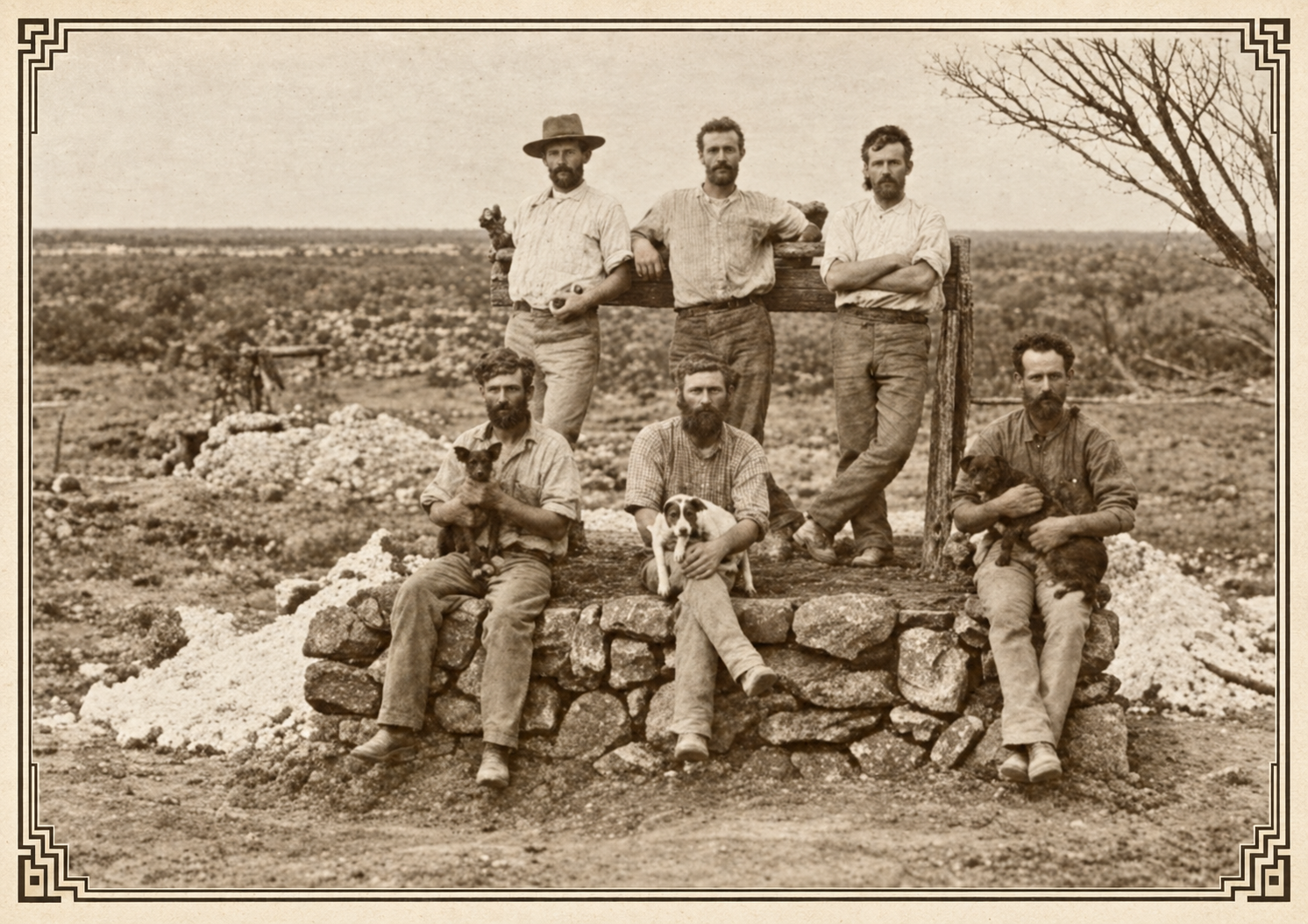
The Welcome GM, Lennonville -1896 – Image SLWA



Moya Sharp
Latest posts by Moya Sharp (see all)
- The Angels on the Hill – Some Memoirs of a Nursing Sister - 19/09/2026
- Rafferty’s Rules and Rough Justice at Niagara - 19/09/2026
- Twenty Yards from Water – the man who was lost twice - 19/09/2026
Leave a Reply